Gear
How to Choose Trekking Shoes
The one piece of equipment worth spending on, and how to pick a pair without buying the most expensive thing in the shop.
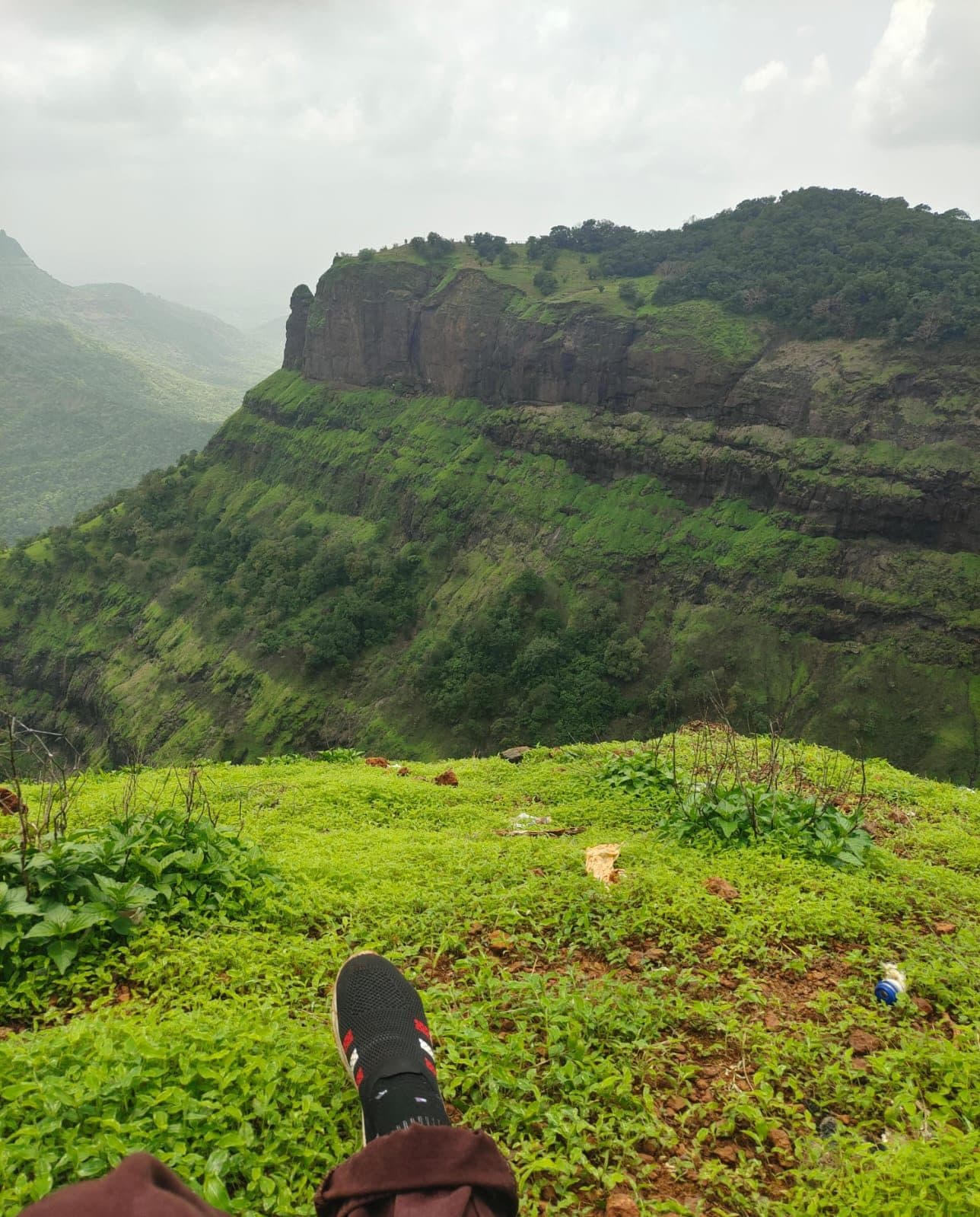
If you buy one thing before your first trek, buy shoes. Grip is the difference between a wet descent that is fun and one that is genuinely dangerous, and no amount of fitness compensates for a smooth sole on wet laterite.
What actually matters
Tread depth and pattern
Look for deep, widely spaced lugs. Widely spaced matters because packed mud clogs a fine tread within minutes and then you are effectively walking on a flat sole. Run a fingernail across the sole — if it does not catch, keep looking.
Rubber compound
Softer rubber grips wet rock better and wears out faster. For Sahyadri monsoon conditions, take the grip.
Fit
Half a thumb's width of space in front of your longest toe. On a descent your foot slides forward, and if it hits the front you will lose toenails. Try shoes on late in the day when your feet are slightly swollen, wearing the socks you will actually trek in.
High ankle or low?
High ankle helps on rocky, uneven ground and offers some protection against a rolled ankle. Low is lighter and dries faster. For most one-day Sahyadri routes, either works — fit and tread matter far more than cuff height.
Waterproof?
In a monsoon where you will be crossing streams, a waterproof membrane mostly means water gets in over the collar and then cannot get out. Many experienced monsoon trekkers deliberately choose non-waterproof shoes that drain and dry quickly.
Before the trek
Walk in them. Several hours across several days, including some stairs. A new pair discovers its pressure points on exactly the day you least want to find them.
Ready to put this into practice?
Our next departures have seats, and every route page states honestly how hard it is.